Responsible dog walking
Conic Hill with a dog
Plenty of dogs enjoy the walk. Keep them under control around livestock, take care on the steps, and bring water—especially on warmer days.

Can I take my dog up Conic Hill?
Potentially—provided your dog is fit for the route and kept under proper control.
Dogs are a common sight on the path, but it isn’t right for every dog on every day. Livestock may be about, the steps are steep in places, and the top can be windy. Follow Scottish outdoor-access guidance and local signs—this page is planning help, not legal advice.
- Distance Approximately 4 km / 2.5 miles return
- Time Allow 2–3 hours or longer
- Ascent Approximately 350 m
- Things to watch Steps, livestock and a steady climb
- Livestock May be present—check current guidance
- Natural water Do not rely on it
- Lead Carry one and use it whenever proper control requires
Is the route suitable for your dog?
Owners remain responsible for judging their dog’s ability. This is a planning framework—not an automated suitability test.
Consider
- current health and fitness
- age and previous walking experience
- confidence on steps and uneven ground
- response to livestock and other dogs
- temperature and wind
- water requirements
- ability to remain under reliable control
- energy needed for the descent
Choose another plan if
- the dog is unwell, injured or already tired
- heat, cold or wind could create avoidable risk
- the dog cannot be kept under proper control
- paws or joints are not suited to the terrain
- the route is busier than the dog can comfortably manage
- the owner cannot carry the required water and equipment
On the hill
Route and terrain
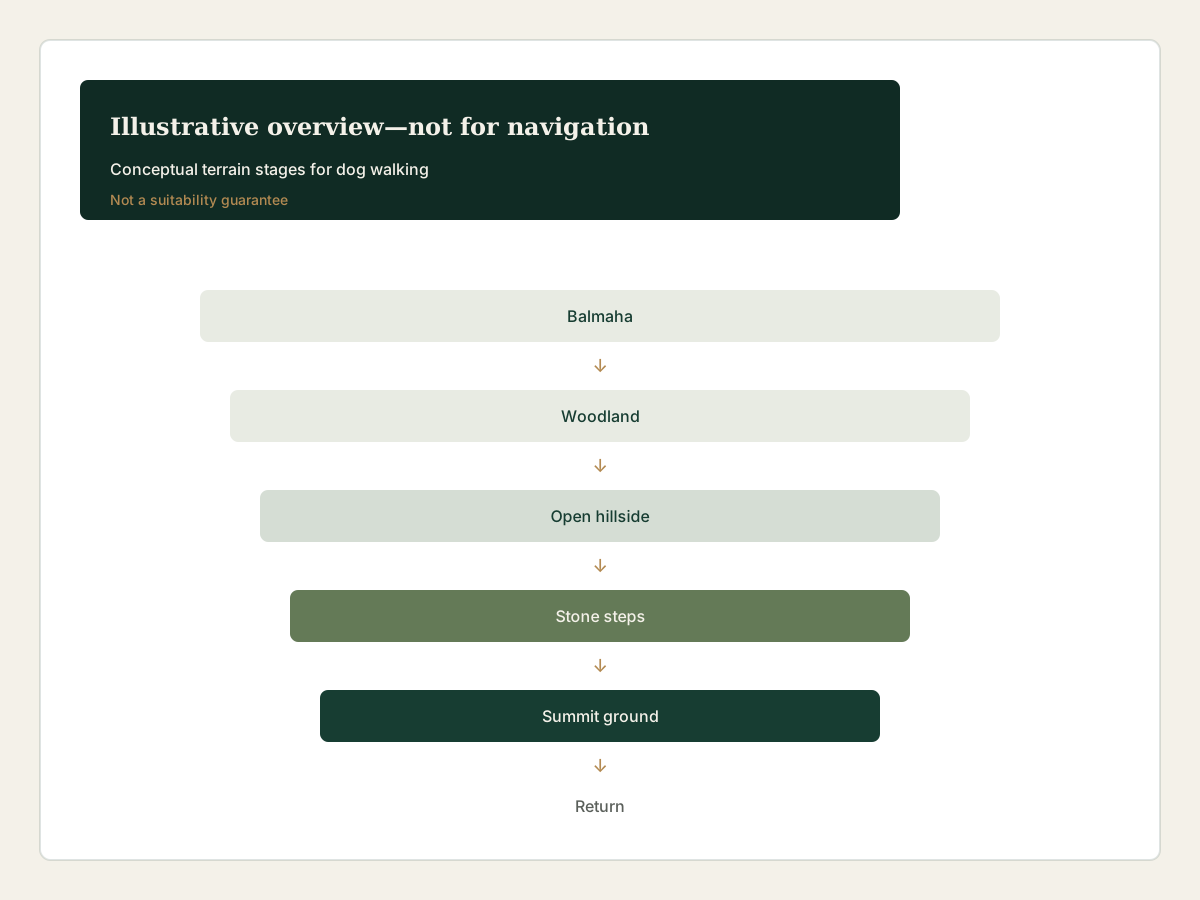
The path has stone steps, some rougher ground near the top, and open hillside with less shelter. Wet stone can be slippery, and tired dogs (and people) often feel the descent more than the climb up.
- Balmaha
- Woodland
- Open hillside
- Stone steps
- Summit ground
- Return
Livestock changes how you should manage your dog
Livestock may be present. Dogs must not chase, worry or approach animals. Carry a lead and use it when required for proper control. Follow signs and current local instructions, take extra care around young animals, and do not disturb wildlife.
Never assume livestock is absent because you cannot currently see it.
Leads and control
Proper control depends on the dog, livestock, wildlife, other visitors, visibility, terrain, and current signs and guidance. This page does not give a blanket “on lead everywhere” or “off lead permitted” answer.
If there is doubt about reliable control, use the lead.
Water, food and temperature
Carry sufficient water and a suitable bowl—do not depend on burns, puddles or loch water. Consider food for the duration and effort. Watch for fatigue and overheating; cold, wind and wet conditions can also affect dogs. Never leave a dog in a parked vehicle.
This is general planning guidance, not medical thresholds or treatment instructions.
Paws, ticks and post-walk checks
Check paws before and after the walk for cuts, irritation or trapped material. Check the coat and skin after walking through vegetation. Seek appropriate veterinary advice if concerned, and keep routine preventative care current based on professional advice.
This page does not diagnose illness, prescribe products or claim current tick levels.
Dog-walking checklist
A practical starting list—not a complete kit for every season or condition.
- Lead
- Collar or harness and identification
- Water and bowl
- Waste bags
- Suitable food or treats
- Weather-appropriate dog equipment where genuinely needed
- Towel for after the walk
- Charged phone
- Human waterproofs and warm layers — see the kit guide
- Turnaround plan
- Current weather and access checks
Waste and consideration
Bag dog waste and take it away when no suitable disposal point is confirmed. Do not leave bags beside paths. Prevent dogs from approaching people, picnics or other dogs without consent. Keep access points clear, and respect residents and other visitors in Balmaha.
This page does not claim bins exist at specific locations.
Busy conditions
Conic Hill can be popular. Crowding may affect nervous or reactive dogs, dogs uncomfortable around children, control on narrow or stepped sections, and parking or arrival plans. Exact quiet times are not claimed here—choose another time or activity if conditions are unsuitable for your dog.
Your dog does not need to reach the top
Head back if your dog is tired, limping, distressed, too hot or cold, or struggling with the steps—or if livestock make control difficult.
A shorter, happy walk beats pushing on for the summit.
Check current access information
Check current Scottish outdoor-access guidance, local signs and notices, livestock information where available, weather, and path alerts.
- Current Scottish outdoor-access guidance
- Local signs and notices on the day
- Livestock information where available
- Weather for your visit
- Path alerts where published
This page provides general planning guidance and does not replace current signs, official access information or veterinary advice.